
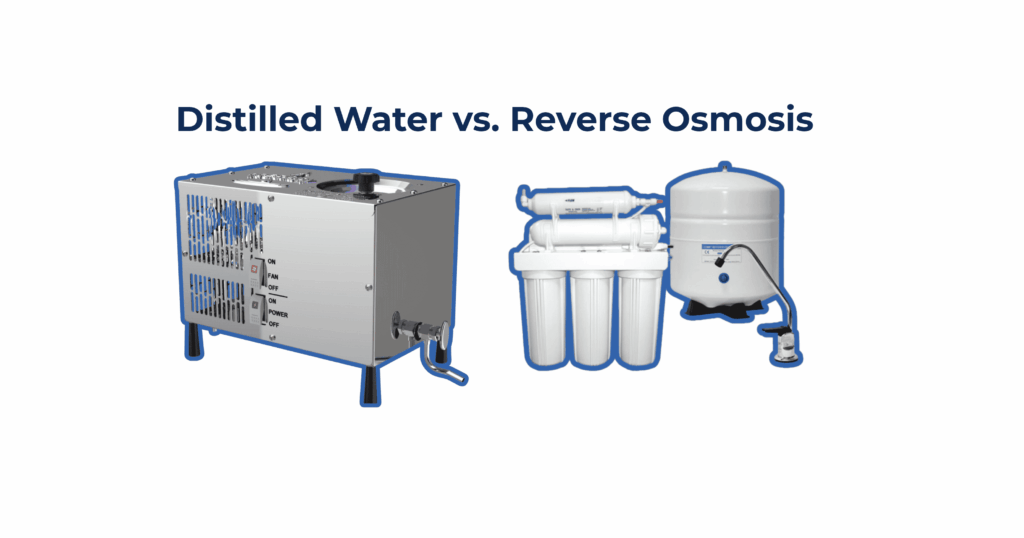
Distillation and reverse osmosis (RO) are two popular methods of water purification. Both reduce a wide range of contaminants, but the way they work, their maintenance requirements, and their practical applications differ.
We want to break down which method makes the most sense for your home or business.
What Is Distilled Water?
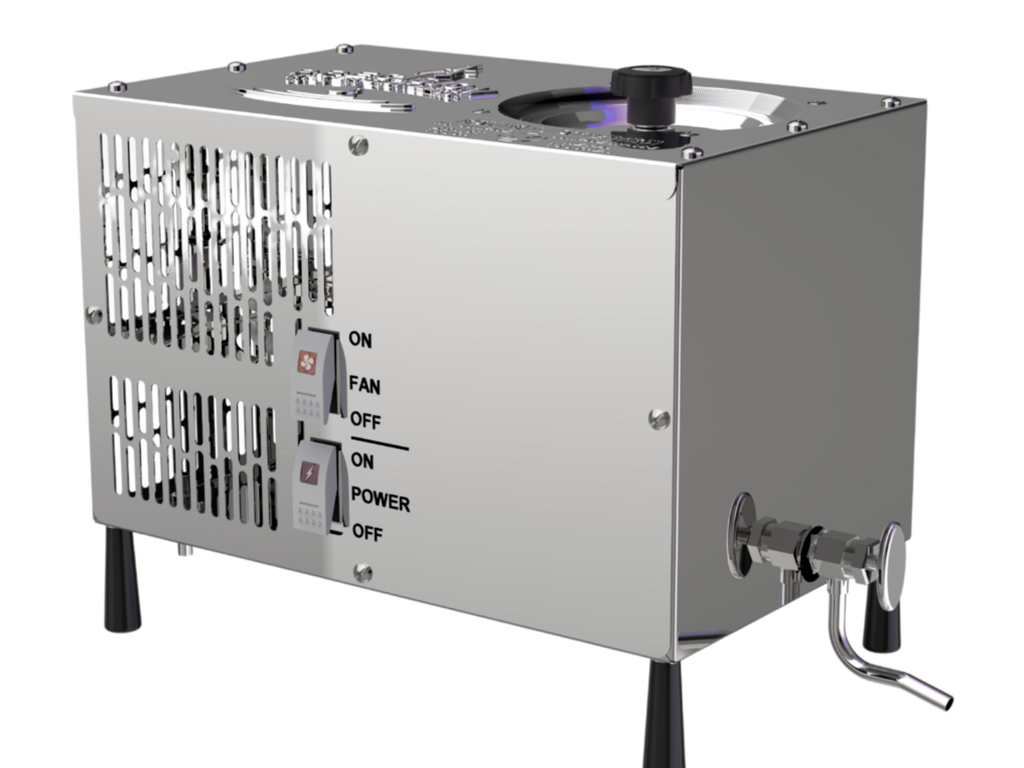
Distilled water is produced through a process that uses heat, evaporation, and condensation to separate water from impurities.
Here’s how it works:
- Water is heated until it turns into steam.
- Most dissolved minerals and many other contaminants remain in the boiling chamber.
- The steam cools and condenses back into liquid water.
- The distilled water is collected in a separate container.
According to the Centers for Disease Control and Prevention (CDC), distillation can remove many contaminants, including lead, arsenic, calcium, magnesium, bacteria, and viruses.
The result is highly purified water with very low mineral content. However, certain volatile chemicals can carry over with the steam, meaning distillation alone does not remove every possible contaminant.
What Is Reverse Osmosis Water?
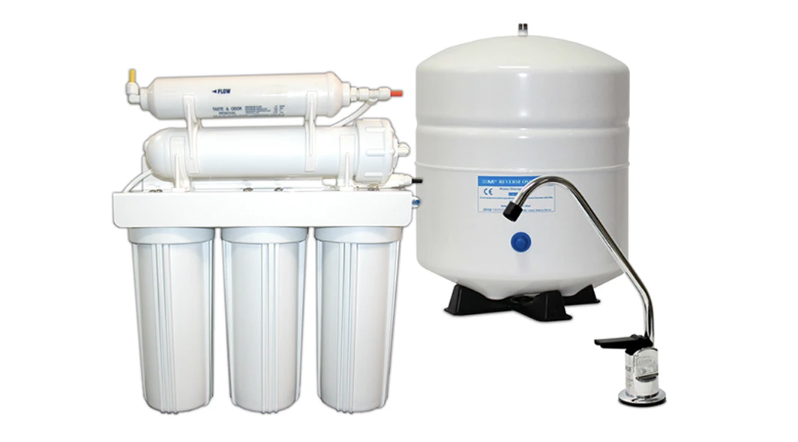
Rather than using heat, reverse osmosis uses pressure to push water through a specialized semipermeable membrane.
This membrane allows water to pass through while rejecting many dissolved minerals, salts, and other contaminants.
Most residential RO systems also include additional filters to reduce sediment, improve taste, and protect the membrane. Contaminant reduction varies depending on the system’s design and filtration capabilities.
Distilled Water vs. Reverse Osmosis: Key Differences
| Feature | Distillation | Reverse Osmosis |
|---|---|---|
| Purification method | Evaporation and condensation | Pressure and membrane filtration |
| Mineral removal | Removes most dissolved minerals | Reduces many dissolved minerals |
| Energy use | Typically higher due to heating | Typically lower for residential systems |
| Wastewater | Generally minimal in typical home units | Produces a reject-water stream |
| Maintenance | Cleaning mineral buildup and replacing applicable filters | Replacing filters and membranes |
| Installation | Some models require no plumbing | Often connects to existing plumbing |
Which Method Removes More Contaminants?
Both methods can effectively reduce a wide range of contaminants, including dissolved minerals, salts, and certain metals.
However, neither method should be assumed to remove every contaminant.
Whether you rely on municipal tap water or a private well, understanding your water quality is an important first step. Review your municipal water quality report or have your water tested, then look for a treatment system with documented performance for the contaminants you’re concerned about.
Maintenance and Operating Costs
Both systems require routine maintenance to perform effectively.
Water distillers:
- Periodic cleaning to remove accumulated mineral deposits.
- Replacement of applicable carbon filters.
- Electricity to heat and evaporate water.
Reverse osmosis systems:
- Periodic filter and membrane replacement.
- Additional water consumption during filtration, which varies depending on the efficiency of the reverse osmosis system.
Long-term costs depend on the equipment, water usage, local utility rates, and replacement components.
Which Water Purification System Is Right for You?
A water distiller may be a good fit if you:
- Want purified water with very low mineral content.
- Need distilled water for specific household, commercial, or equipment applications.
- Prefer a purification method based on evaporation and condensation.
A reverse osmosis system may be a good fit if you:
- Want purified drinking water available directly from a dedicated faucet.
- Prefer a purification process that doesn’t require heating water.
- Need a system that accommodates your daily water consumption.
Ultimately, the right choice depends on your water quality, intended use, and purification goals.
Explore Water Distillation with Precision Water USA
We specialize in water distillation equipment and replacement parts for residential and commercial applications.
Whether you’re purchasing your first distiller or maintaining an existing system, we’re here to help you find the right equipment for your needs.